Countryside Calm Within Reach
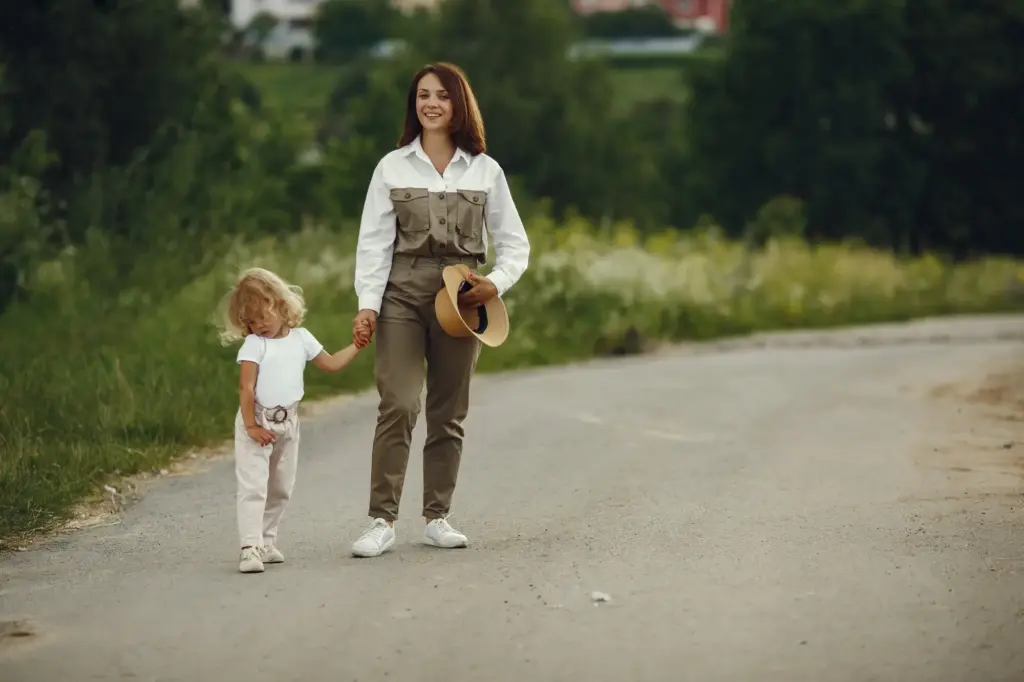

Join us as we explore accessible countryside strolls for wheelchairs and strollers using public transit, transforming ordinary weekends into restorative nature moments. We’ll outline how to choose step-free routes, make smooth transfers, and find gentle paths, while sharing real stories, packing tips, and courteous on-trail habits. Whether you travel solo, with a friend, or with little ones, discover practical ways to reach green spaces confidently, breathe deeper, and return home with fresh energy and memories that feel easy, not exhausting.

Start With the Journey: Buses, Trains, and Rural Links

A relaxed stroll begins before the trailhead, with thoughtful planning around stations, platforms, and bus stops that actually suit wheels. Learn to verify low-floor vehicles, ramp availability, and priority spaces, then build helpful buffers between connections. Simple steps—like bookmarking live transit updates, checking elevator status, and noting shelter at rural stops—turn uncertainty into calm. With a little foresight, the ride becomes part of the pleasure, offering views of hedgerows, church spires, and fields that already slow the day’s pace.

Choosing Routes With Friendly Surfaces and Gradients

Comfort outdoors depends on the ground beneath your wheels. Seek paths described with firm, level surfaces, low cross-slopes, and limited camber. Shorter gradients feel fine early but tiring later, especially homebound. Look for clear width information, passing places, and gates that actually open wide. Waterlogged tracks and loose gravel can quickly drain joy; compacted surfaces, boardwalks, or well-laid stone dust carry momentum beautifully. When route notes mention viewpoints or benches, you gain not only scenery but planned pauses—a rhythm that feels kind and sustainable.

Adaptive Gear That Makes Countryside Strolls Easy

A few thoughtful additions transform uneven paths into welcoming promenades. Consider attachable front casters for wheelchairs to smooth ruts, stroller rain covers with quick vents, and compact pump-and-patch kits that disappear into a side pocket. Lightweight lap blankets, grippy gloves, and sunscreen keep comfort steady. A slim sling or carrier helps when little explorers need a break yet the walk continues. With gear chosen for simplicity and speed, you spend less time fiddling and more time noticing skylarks, cattails, and light sliding across a distant ridge.

Wheel Choices and Tires

Wider tires reduce sink and chatter on dirt or fine gravel, while semi-slick treads roll efficiently on park paths. Anti-tip bars add calm during slow maneuvers, especially near gates or uneven verges. Quick-release axles let you adjust or clean wheels mid-journey with minimal fuss. Carry a tiny multi-tool, spare tube, and wipes to handle surprising mud. If camber tilts strongly, experiment with tire pressure to soften chatter. These small calibrations save energy, making every push or gentle roll more predictable, smooth, and happily repeatable.

Stroller Setup for Uneven Paths

On patchy ground, lock the front wheels and lengthen your stride slightly to keep momentum stable over minor ruts. A wrist strap offers extra security on gentle descents, while a rain cover and mesh window manage shifting weather without blocking a child’s curious view. Pack layers within easy reach, plus snacks, wipes, and a soft toy or book. Add reflective tabs for dusky rides near lanes. Comfort builds confidence, and a content passenger turns woodland edges and reedbeds into lively, memorable chapters rather than hurried transitions.

Weather Layers and Comfort

The countryside rewards those who plan for sunbursts, breezes, and sudden drizzle. Lightweight, ventilated shells keep everyone dry without trapping heat, while warm hats and thin gloves maintain dexterity when winds pick up. A compact sit pad turns any low wall into a rest stop, and a small thermos changes mood remarkably fast. Think about glare for stroller passengers; a simple clip-on shade can be as uplifting as a view. Comfort is not luxury here—it is the foundation that frees attention for birdsong and horizon.

Real Stories From Quiet Lanes and Riverbanks
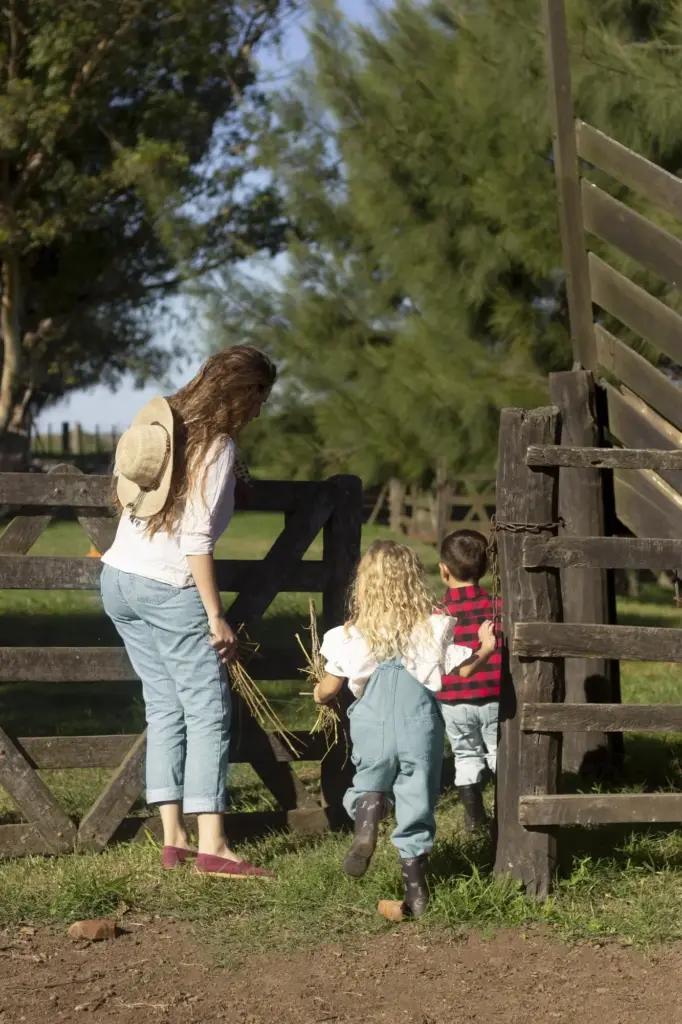
Granddad’s Train to the Orchard Path

A slow morning train, a cheerful guard with a ramp, and a short roll to an old orchard made three generations feel wonderfully aligned. The chair glided over firm grass where blossoms chimed with bees. A bench appeared right when stories needed breath. Returning, they shared apricot jam at the station café, laughing over sticky fingers. The day’s triumph was small and vast at once: ordinary logistics made tender, proving that ripe fruit, kind timetables, and steady wheels can fit gracefully in a single, effortless paragraph.

A Sunday Loop With Twins and a Bus Day Pass

A slow morning train, a cheerful guard with a ramp, and a short roll to an old orchard made three generations feel wonderfully aligned. The chair glided over firm grass where blossoms chimed with bees. A bench appeared right when stories needed breath. Returning, they shared apricot jam at the station café, laughing over sticky fingers. The day’s triumph was small and vast at once: ordinary logistics made tender, proving that ripe fruit, kind timetables, and steady wheels can fit gracefully in a single, effortless paragraph.

Rolling Beside the Marshes at Dusk

A slow morning train, a cheerful guard with a ramp, and a short roll to an old orchard made three generations feel wonderfully aligned. The chair glided over firm grass where blossoms chimed with bees. A bench appeared right when stories needed breath. Returning, they shared apricot jam at the station café, laughing over sticky fingers. The day’s triumph was small and vast at once: ordinary logistics made tender, proving that ripe fruit, kind timetables, and steady wheels can fit gracefully in a single, effortless paragraph.

Safety, Etiquette, and Kindness on the Path

Small courtesies make shared spaces beautiful. Offer clear signals when overtaking, thank those who pause at narrow sections, and keep sound cues gentle. Carry a simple repair kit, charged phone, and a Plan B route that shortens the day gracefully. If a gate or barrier surprises you, breathe, assess, and recruit nearby goodwill. Most people want to help when invited kindly. Safety grows from calm decisions, not rigid perfection, and kindness turns brief interruptions into moments that often become the favorite story told later.

Communicating Needs Without Stress

A relaxed, specific request travels farther than a rushed shout. Try short phrases like “Passing on your left, thanks” or “Could you hold the gate briefly?” Practice these lines beforehand, so they feel friendly, not urgent. With transit staff, mention ramp timing, priority spaces, or assistance numbers calmly. Clear signals help companions too—assigning roles reduces duplicated effort. Communication is not just logistics; it sets the tone for the day, inviting good will to flow toward you, making countryside time spacious, humane, and generously shared.

Sharing Space With Cyclists and Dogs

Mixed-use paths thrive when everyone anticipates each other gently. Keep right or left according to local custom, and make eye contact at pinch points. Cyclists who ring lightly and pass wide are allies; a simple wave builds goodwill. Dogs off-leash may bound with joy—pause if needed, explain calmly, and request space without scolding. Consider a small bell or soft horn for your own approach sounds. The aim is not rules for rules’ sake, but a choreography where each traveler’s day becomes smoother, safer, and more delightful.

Half-Day Green Escape From the City Center

Begin with a mid-morning train when platforms are calm, then transfer to a low-floor bus for a short hop to a nature reserve entrance. Follow a firm loop skirting wetlands, pausing at two benches marked on the map. Picnic beside tall grasses where dragonflies spark conversation. Return along the same path to avoid surprises. Celebrate with a hot drink near the station while recounting bird calls. This itinerary trades mileage for presence, delivering restorative green without rushing or juggling naps, transfers, and snacks nervously.

A Full-Day Meadow Meander With Picnic

Catch an early train to widen daylight margins, then roll or stroll along a riverside track toward open meadows. Identify a shaded tree or shelter as a midday anchor, keeping toilets within a practical backtrack. After lunch, continue a gentler stretch that maintains momentum without new barriers. Hold a snack just before boarding the return bus to reset tempers and energy. The day’s arc favors rhythm over speed, letting breezes, skylarks, and quiet companionship define success instead of distance numbers whispering from a screen.

Rainy-Day Accessible Nature Alternatives

When forecasts frown, choose boardwalk reserves, canal towpaths with frequent bridges, or arboretums with sturdy paths and nearby cafés. Pack warm layers, quick-dry blankets, and cheerful snacks. Focus on sensory delights that rain enhances—raindrop patterns, deeper greens, earthy scents rising from soil. Shorten the route and add a second warm-up stop instead of stretching misery. Returning early is victory, not defeat, if smiles remain. These choices maintain continuity, proving that access to nature thrives not only on clear skies but resilient, creative planning.

Sample Itineraries You Can Adapt Anywhere

Use these frameworks as gentle blueprints, then swap transit lines, parks, and cafés for your local equivalents. The essence remains: reachable stops, firm surfaces, kind gradients, frequent rests, and a timely return. Build in joy markers—a bridge, a clocktower, a bakery—so motivation renews hourly. Keep notes after each outing to refine distance comfort and snack timing. With practice, you’ll stitch together your own tapestry of hedgerows, riversides, and commons, guided not by bravado but by steady ease and an appetite for quiet wonder.